PCS_Admin – Page 3 – Pordenone Docs Fest

3 manifesti per dire NO alla violenza sulle donne

Uno sguardo sul mondo e un’attenzione costante al territorio e ai temi sociali: Pordenone Docs Fest è tutto questo, e molto di più.

Quest’anno, per la prima volta, il festival del documentario di Cinemazero, che si terrà dal 10 al 14 aprile, ha coinvolto tre artisti del territorio ma di fama nazionale per realizzare una campagna di sensibilizzazione contro la violenza sulle donne. Sara Colaone, Davide Toffolo ed Elisa Turrin (Upata) hanno disegnato, in esclusiva per il festival, ciascuno un soggetto originale (con titolo, rispettivamente: “Nella sua pelle, sempre”, “La ricostruzione del maschio”, “Female Rage”), da cui verranno ricavati poster e plance di grandi dimensioni, che – in collaborazione col Comune di Pordenone – riempiranno la città, per dire no alla violenza di genere, per promuovere educazione ed empatia, per arginare e contrastare a livello sociale il fenomeno, che tristemente continua a fare notizia in Italia soprattutto con i fatti di cronaca più evidenti, al ritmo di una donna uccisa ogni tre giorni. Un fenomeno che riguarda la comunità e che nella comunità deve trovare risposta. Da ciò anche l’idea di sensibilizzare un pubblico largo. 

Il festival, come da tradizione, dà ampio spazio a film e riflessioni su questo tema, promuovendo educazione ed empatia, per arginare e contrastare a livello sociale il fenomeno. Ma con questo intervento di “poster art” intende sfruttare le affissioni pubbliche – spesso utilizzate dalle kermesse culturali solo per comunicare date e presenza delle iniziative – anche per dare un messaggio sociale. Lo fa coinvolgendo tre artisti tutti nati a Pordenone e che, in vario modo, continuano a essere legati al territorio. 

Sara Colaone, classe 1970, è autrice di fumetti, illustratrice e docente all’Accademia di Belle Arti di Bologna. Cura la sezione dedicata al fumetto per la rivista “Nuovi Argomenti”. I suoi graphic e visual novel sono stati pubblicati in diverse lingue. Fra questi, “In Italia sono tutti maschi”.  Non ha bisogno di presentazioni Davide Toffolo, classe 1965, musicista dei Tre allegri ragazzi morti, uno degli autori di fumetto più amati in Italia. La più giovane, Elisa Turrin, in arte “Upata”, è nata nel 1996. Lavora come illustratrice, fumettista e animatrice. Si è laureata in Fumetto e Illustrazione all’Accademia di Belle Arti di Bologna e in Illustrazione all’ISIA di Urbino. È appassionata di natura e di ogni forma di autoproduzione. 

Con lo stesso spirito di produttore culturale e sociale, quest’anno il festival ha deciso di introdurre anche la formula del Social Sponsor. Ogni serata del festival sarà dedicata a un’organizzazione diversa che opera nel sociale, rinunciando a spazi e sostegni pubblicitari, per promuovere invece le loro attività: protagoniste di questa edizione sono Amnesty International, Emergency, Scuola Fatoma, Un Ponte Per che lavorano ogni giorno per migliorare le condizioni di vita dei più fragili, in ogni parte del pianeta. Un piccolo gesto per dare supporto a chi offre un aiuto concreto

Pordenone Docs fest 2024

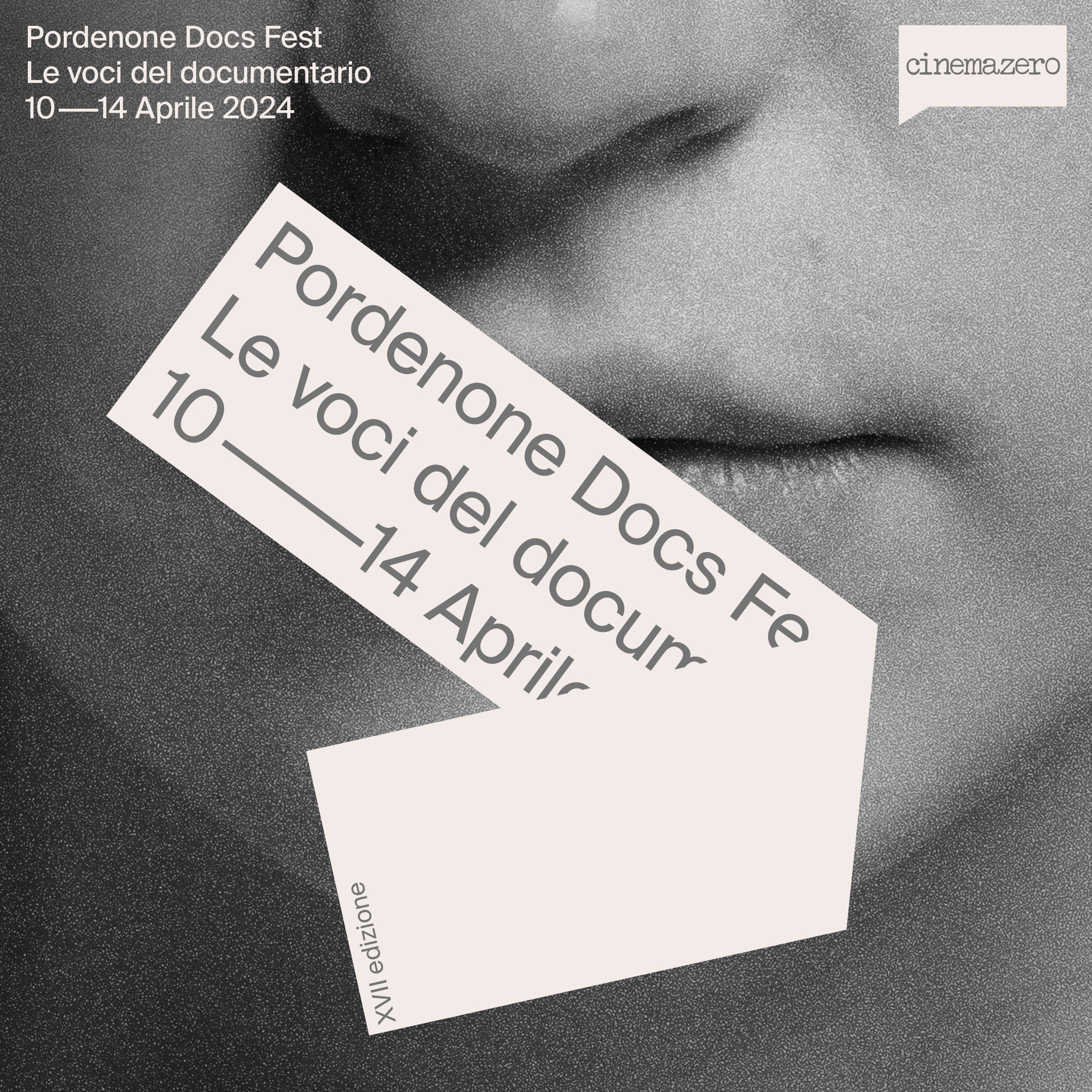
From April 10th to 14th, with the XVII edition of Pordenone Docs Fest “Le Voci del Documentario”, the Cinemazero festival that every year brings the best of international real cinema to Pordenone, the city once again becomes the capital of documentary, an exclusive stage for nationally premiering stories that tell the world beyond the information accessible through various media channels.

“We will focus on the rights of women and minors, shedding light on lesser-known yet no less important stories. We will introduce them to an attentive audience, eager to go beyond what is daily recounted by mainstream media. An audience that expects non-trivial views every year, shedding light on both significant and lesser-known themes, guided by cinematic quality and the importance of testimonies, with a perspective of social impact through documentary,” says curator Riccardo Costantini. “Cinemazero couldn’t help but pay tribute – with a retrospective, a roundtable, and many guests – to Franco Basaglia, on the centenary of his birth. For us, this event is not just a simple anniversary directed to the past but above all a warning for our present, an arrow aimed towards the future. That’s why Franco Basaglia is 100 years old, an indicative present, here and now. In Friuli, in Italy, in the world. Because Basaglia has been one of the most international figures that Italian culture and society have been able to express from the sixties to today: his research, his actions, his ideas are alive and active wherever there is a reformist will of society, wherever there is critical and libertarian thought.”

The festival dedicates a retrospective to this intellectual cornerstone of the twentieth-century history, also itinerant in the cinemas of Friuli Venezia Giulia and then in Italy, reconstructing many of the stages of the “Basaglia journey” that have Trieste and Gorizia as fundamental places. The initiative, supported by the Friuli Venezia Giulia Region, also fits into the cultural paths of “Go2025! – Gorizia / Nova Gorica European Capital of Culture”. For the film section, it is curated by Federico Rossin and is the result of extensive research in major archives. It is a program with a pedagogical approach aimed mainly at new generations, which, with television and film products, both Italian and international, tells the human and political story of Basaglia and the anti-psychiatric movement, accompanied by a publication containing a critical filmography dedicated to documentary and mental illness with an international and trans-historical perspective. Also planned is the presentation, in collaboration with the Cinecittà Archives – LUCE Institute (in the year of the LUCE centenary), of “Nessuno o tutti – Matti da slegare” by Silvano Agosti, Marco Bellocchio, Sandro Petraglia, and Stefano Rulli, a broader, richer, and more varied version of the well-known “Matti da Slegare”, on the big screen for the first time since 1976 in its rediscovered full version.

Also this year, many national premieres are presented to the public and in competition. Among these, “Mourning in Lod” by Israeli director Hilla Medalia offers hope for peace in the Israeli-Palestinian conflict: from immersion in the microcosm of violence, anger, and hope of Lod/Lydd, one of the five “mixed” cities inhabited by Israelis and Palestinians, 50 kilometers west of Jerusalem, emerges an incredible story that indissolubly and forever binds the families of the two parties involved in a gift of love and future.

With the touching “Mediha” by Hasan Oswald (who will be present at the festival), also produced by Oscar-winning actress Emma Thompson, attention is brought back to the Yazidi genocide recounted through the eyes and determination of a teenager (who signs many of the shots and part of the direction) facing the trauma of ISIS imprisonment and slavery – of which she was a victim – without resigning herself, becoming a protagonist and witness to the redemption from the sale abroad of even her younger siblings.

Hiding Saddam Hussein,” twenty years later, brings back the truly incredible testimony of a simple man, an Iraqi farmer who – obeying orders – hid the dictator in his own home for eight months, during one of the most ruthless manhunts of recent decades. A story signed by Norwegian-Kurdish director Halkawt Mustafa (present at the festival).

After the success of “Be My Voice” (and its Italian tour conducted by Tucker Film), winner of the audience award at the festival in 2021, Swedish-Iranian director Nahid Persson returns to Italy, accompanying her latest documentary, “Son of the Mullah,” which tells the story of Iranian journalist Ruhollah Zam, who, unable to speak freely in his own country, was forced to expose its contradictions from abroad… until being deceived and then executed by the Iranian regime. The constant narrative of corruption, hypocrisy, and ferocity of regimes is a concrete example of the role the festival aims to play in supporting films even beyond the duration of the event.

Finally, there’s room for lightness with another national premiere, “Alreadymade” by Dutch director Barbara Visser, which tells the absurd story of Marcel Duchamp’s “Fountain,” the most famous urinal of all time, of which the director investigates the paternity revealing unexpected behind-the-scenes. The reflection on art and its power, with ironic and irreverent tones, is also present in “Soviet Barbara,” another national premiere, directed by Icelandic Gaukur Ulfarsson, which sees international “art star” Ragnar Kjartansson fully recreate in “Soviet” style the American soap opera “Santa Barbara” in a Moscow museum owned by an oligarch, with Putin’s blessing and the presence of the Pussy Riot, in a contrast of denunciation and provocation.

Many collateral events, as always, enrich the offerings of the event, which alongside screenings, provides masterclasses, roundtable discussions, industry meetings, and in-depth sessions facilitated by professionals, associations, and NGOs. There is a particular focus on the “Missing Triangle,” referring to the significant gap in the organized and cohesive relationship between directors/producers, distributors, and cinema exhibitors concerning documentaries, as well as a spotlight on emerging Italian documentary filmmakers in “Italian Doc, Future!”

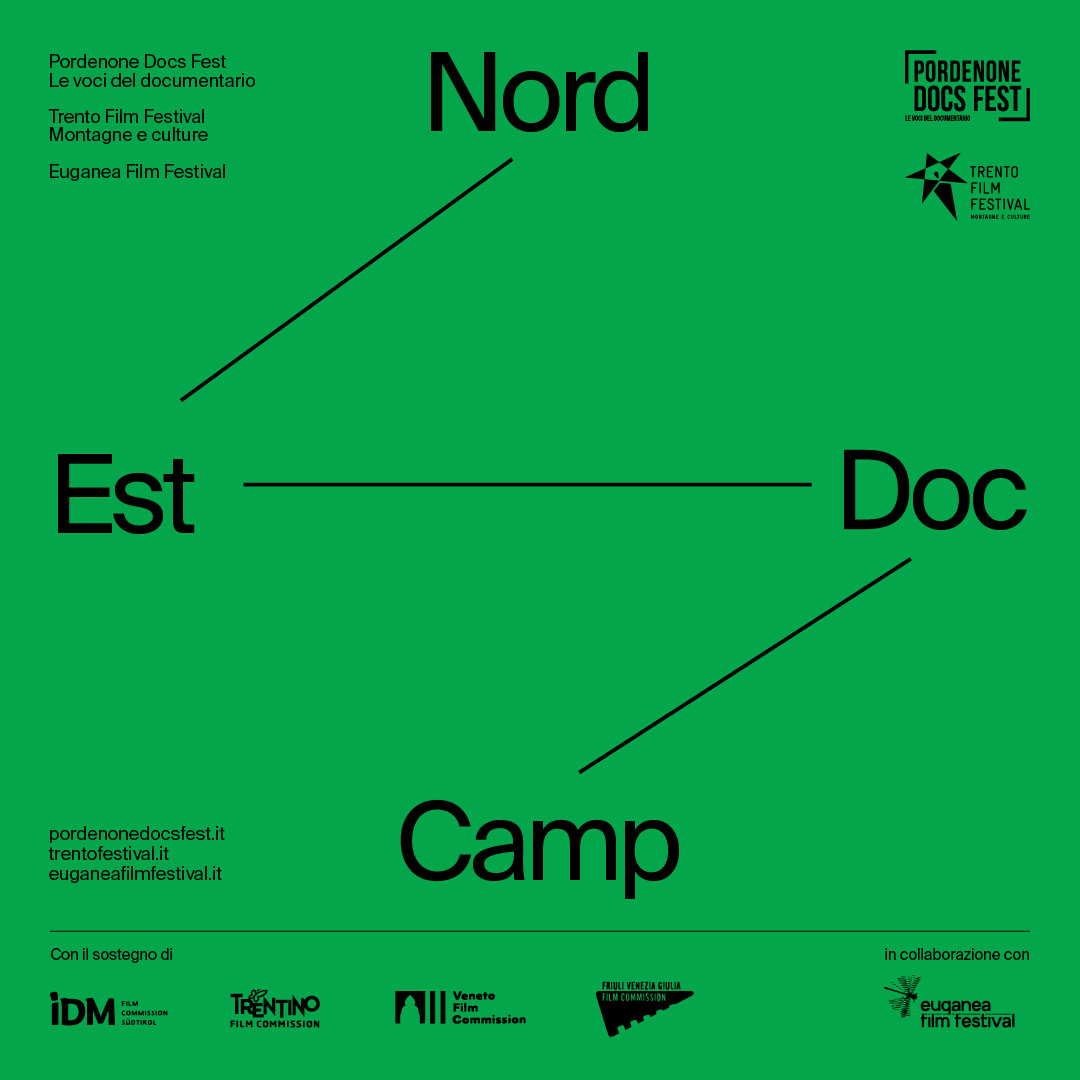
Also noteworthy is the second edition of Nord Est Doc Camp, a workshop for finalizing documentaries in the editing phase, produced in the Triveneto region and supported by all the Film Commissions of these territories. In its first edition, one of the films followed – “Vista Mare” – won the prestigious “Festival dei Popoli” and was presented at the Locarno Festival, demonstrating the effectiveness of the mentoring program developed.

The festival receives support from the Ministry of Culture – General Directorate of Cinema, the Friuli Venezia Giulia Region, the Municipality of Pordenone, and the Friuli Foundation.

SUBMISSION

Cinemazero organizes the 17th edition of the “Pordenone Docs Fest – The Voices of Documentary” festival which is proposed as a special occasion for the promotion of documentaries of high creative and artistic quality, designed for a vast and heterogeneous audience, with thematic – non-exclusive – attention to pressing current events, social issues, human rights and ecology.

Films can be entered that:

·      They were produced in 2023 at the latest (not films made in 2022 or earlier).

·       Have NOT had public screenings in Italy before the possible screening at Pordenone Docs Fest: the national preview must be guaranteed, under penalty of exclusion.

·      Have NOT been broadcast on television in Italy.

·       Are NOT already available online on free or paid platforms in Italy.

·       Have a duration of more than 60′

Before filling out the form, please read the REGULATIONS carefully. 

Deadline for submissions for productions from the years 2023 and 2024: 11:59 PM on January 14, 2024. 

Please fill out the form in all its fields, if possible including the non-mandatory ones. 

PORDENONE DOCS FEST AWARDS

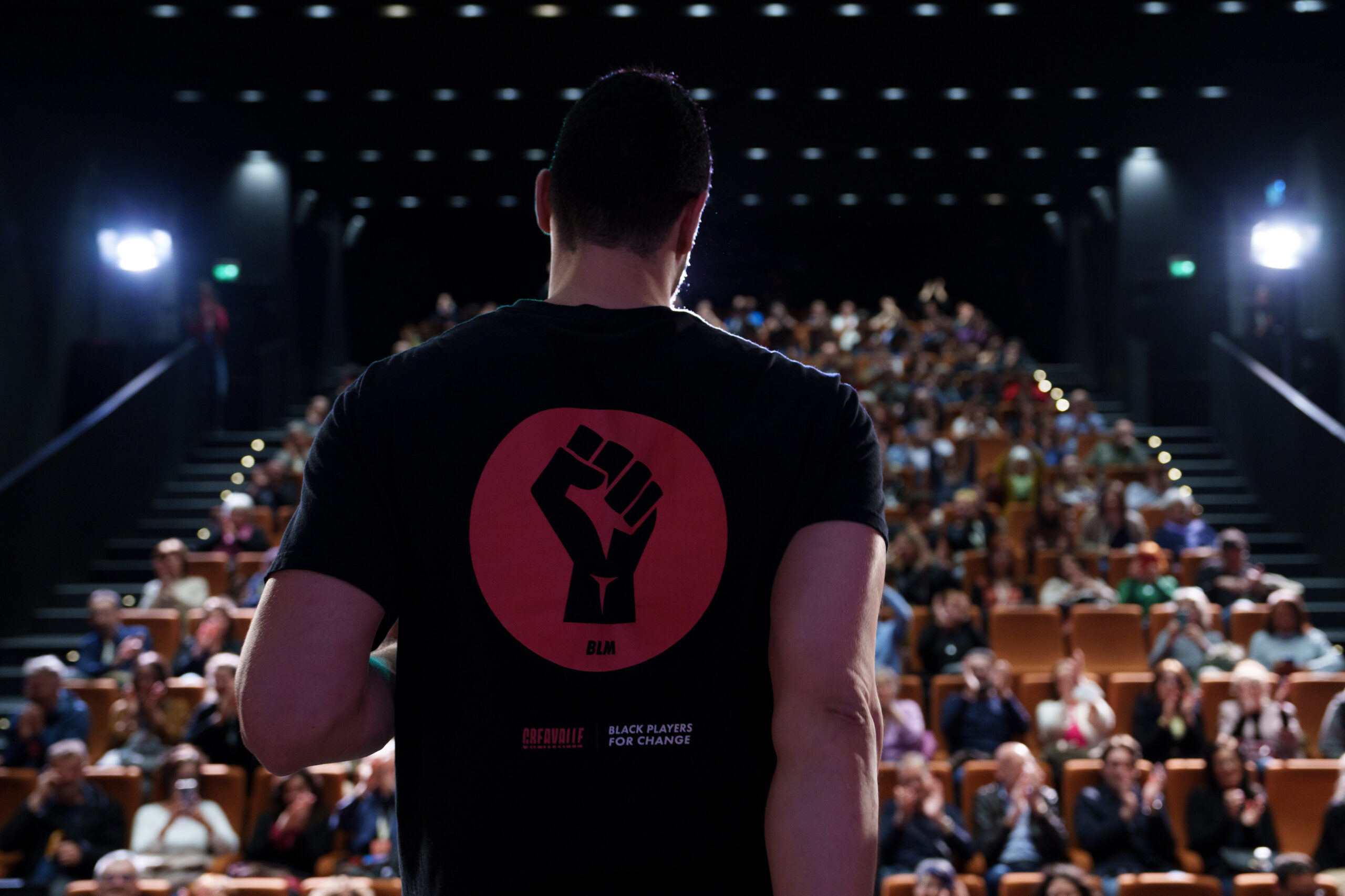
Over 3000 tickets sold and 5,000 total attendances in all events, in five very dense days, with so many sold-out events, 300 guests from Italy and all around world, 28 countries represented in 25 national preview films and three world premieres: is the balance of the 16th edition of the Pordenone Docs Fest, the Cinemazero event which this year has transformed the city into the “documentary capital” in Italy, attracting the attention of professionals, the most important national media and public. The festival becomes a point of reference at a national and international level, an opportunity to read reality with different eyes. All in the welcoming dimension of the city of Pordenone, highly appreciated especially by foreign guests.

The Grand Jury Prize went to the splendid “Moosa Lane” by Anita Mathal Hopland, with the following motivation: «Life and images meet in a ten-year project where the family events of a young woman find space: the question of origins, of the fragile and sometimes contradictory identity of stateless people, refugees and second generations of migratory flows. A mirror of the present in which controversies and traits of union between different and distant cultures are reflected. A shining example of cinema in its making, open, free, epiphanic.” The three jurors presented the prize: the great Chilean director Valeria Sarmiento, the director and screenwriter Costanza Quatriglio and the journalist and film critic Beatrice Fiorentino. A special mention went to “When spring came to Bucha” by Mila Teshaieva and Marcus Lenz: «A war reportage that delves into the drama of the conflict in Ukraine, avoiding rhetoric and the display of pain, instead seeking a profound sense of community , in the dignity of the civilian population and in small daily actions, the noblest center of the resistance.”

The Green Documentary Award, for the best film with an ecological theme, went to “The Oil Machine” by Emma Davie, for its ability to convey the complexity of the climate crisis by giving voice to scientists, experts, economists and activists without forgetting the point of view of oil companies and workers who fear losing their jobs. It is a film that opens up dialogue and discussion on an epochal issue, on which the future of us human beings on the planet depends.

The winner of the Young Audience Award, voted by the Cinemazero Young club and the sixty film students from all over Italy and abroad, accredited at the festival, was “Singing on the rooftops” by Eric Ribes Reig, because «it tells different aspects of inclusivity, showing that care and love can overcome every barrier: age, sexuality, origins. It demonstrates that it is possible to generate a bond that unites multiple generations, and it does so through a delicate, sincere and emotional portrait.”

The art of silence“, by the Swiss director Maurizius Staerkle Drux, the first documentary on the life of the legendary artist and mime Marcel Marceau, presented on the opening night in collaboration with the National Deaf Organization of Pordenone, won the Audience Award.

The Virtual Reality Award went to “Myriad” by Michael Grotenhoff and Christian Zipfel, the story of the incredible migrations of Northern Bald Ibises, reintroduced into nature when they were thought to be extinct: this was the title most appreciated by those who visited the space dedicated to reality virtual in Piazzetta Cavour.

The Critics’ Award, in collaboration with the Association of Italian Film Festivals and the National Union of Italian Film Critics, went to “Steel life” by Manuel Bauer «for its masterful storytelling ability and the precision of the analysis of the socio-economic context economy of a country exploited by the capitalist system”.

NORD EST DOC CAMP

Pordenone Docs Fest and Trento Film Festival, in collaboration with Euganea Film Festival, present a new project of consultancy and support workshops aimed at documentary media and feature films in the finalization phase. A tap route between Friuli-Venezia Giulia, Trentino-Alto Adige and Veneto, across all the festival partners.

The project is aimed at works in the editing phase, documentary and hybrid (non-fiction), produced in Trentino-Alto Adige, Veneto and Friuli-Venezia Giulia, and with an expected final duration of more than 45 minutes. Among the candidate, the commission – made up of  3 representatives of the  partner festivals – will choose 4 projects, which will undertake a feedback and tutoring process, with the aim of consolidating the dramaturgy of the film and broadening its diffusion and distribution prospects.

Nord/Est/Doc/Camp enjoys the support of IDM Film Commission Südtirol, Trentino Film Commission, Veneto Film Commission, Friuli Venezia Giulia Film Commission and the collaboration of the FVG Audiovisual Fund.

The accompanying path is divided into 3 stages, each focused on specific areas and activities, and takes place in the context of one of the 3 festivals.

PRIZES

Doc Network Award by Doc Servizi – Video with the color correction room made available for 1 week (operator not included), at the Synchro studio in Dosson di Casier, Treviso.

Video Art Award for a DCP authoring service, with conformation of master video to cinema parameters, recoding in maximum PRORES resolution and related DCP output, including creation and insertion of subtitles in English or Italian.

Fabrica Award for the artistic direction, graphic consultancy and coordinated image of a documentary, offered by the research and residency center for talents under 25 founded in 1994 by Luciano Benetton and Oliviero Toscani, based in Catena di Villorba, Treviso.

Green Manifesto

Pordenone Docs Fest and Cinemazero have been consistently adopting actions aimed at environmental and social sustainability for years.

AFIC (Italian Association of Film Festivals) has developed the Green Festival Guidelines, which draw inspiration from and include some of these good practices, offering inspiration to improve and expand them further.

The national guidelines, in synergy with the recommendations being developed by Europa Cinemas at the European level, provide an opportunity to compile and highlight all these actions in a single document, opening the festival to broader discussions with other cultural entities operating in Italy and internationally.


1. SUSTAINABLE MOBILITY

We raise awareness among the staff, guests, and audience about the festival’s intent to promote sustainable mobility for the event’s organization and enjoyment.

The center of Pordenone is an excellent example of a “15-minute city,” where festival staff, guests, and attendees can often cover even shorter distances on foot or by bicycle.

To encourage attendees to arrive in Pordenone via public transport and then move around the city on foot or by bike, those arriving by train or bus will be entitled to a discount on the festival pass (via the “green pass” option).

To support sustainable mobility, especially for those unfamiliar with the city, we provide a map on the website and to our guests showing festival venues, bike-sharing points, and charging stations for electric vehicles. For those who have no choice but to drive, preferably using carpooling, we highlight the most convenient parking options.

We also provide detailed information about how to reach Pordenone by train or bus.

2. SUSTAINABLE ENERGY CONSUMPTION

AFIC’s general recommendation is to use electricity generated from renewable sources, prioritize sustainable energy providers, and implement all possible measures to reduce energy consumption.

To reduce its energy impact, Cinemazero has installed solar panels capable of generating 21,617.6 kWh annually.

Throughout the year, Cinemazero staff adopt energy-saving behaviors, such as:

  • Turning off and unplugging all electrical and electronic equipment (including computers, tablets, and smartphones) during non-working hours.
  • Avoiding the use of networks, connections, and phones unless strictly necessary.
  • Minimizing artificial lighting and ensuring lights are switched off when not needed.
  • Setting heating and cooling systems to seasonally appropriate temperatures: no higher than 19°C in winter and no more than 6°C below outdoor temperatures in summer, with systems turned off when spaces are unoccupied.

The festival avoids the use of outdoor heaters and radiant devices.

Traditional cinema lighting has been replaced with state-of-the-art LED fixtures to further reduce energy consumption.

In 2023, Cinemazero implemented energy-efficiency upgrades—financed through the National Recovery and Resilience Plan (PNRR)—making the structure more modern and sustainable, both environmentally and economically. These include replacing thermal power plants with new systems featuring heat exchangers, installing an Air Treatment Unit (UTA) with heat recovery and modern sensors, and replacing the DCP projector in SalaGrande with a laser model, reducing energy consumption by over 50%.


3. PRINT MATERIALS

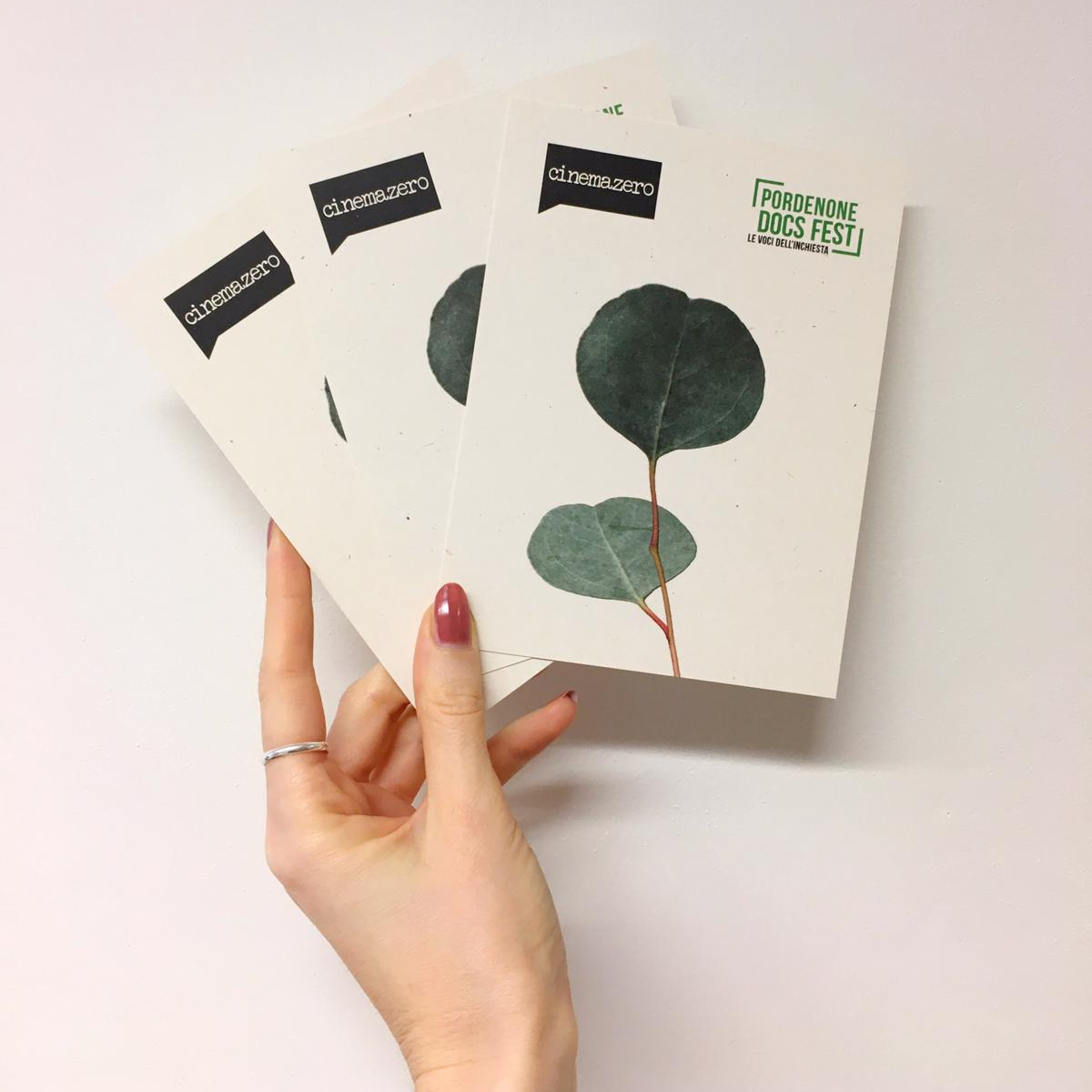
Promotional materials, for both the festival and Cinemazero year-round, use E.C.F. pure cellulose natural paper—FSC certified and sourced from recycled fibers.

Staff are encouraged to minimize printing, preferring digital formats and ensuring double-sided printing when necessary.

Printed materials are distributed strategically and in targeted locations, with some resources only made available in digital formats to avoid waste.

Audiences are encouraged to purchase tickets online, with clear indications in printed programs, on the website, via newsletters, and on social media.


4. EVENT SETUP

Event setups prioritize renewable, recycled, and recyclable materials, avoiding references to specific editions to allow reuse in the future.

Decorations exclusively feature potted plants.


5. WASTE MANAGEMENT

Cinemazero manages waste following a differentiated collection system year-round. During the festival, efforts intensify to minimize waste production.

Plastic use is avoided, and attendees are encouraged to use refillable bottles and jugs of water at events.

6. GADGET PRODUCTION

Prizes for winners are made of wood.
Gadgets are crafted from reclaimed materials, such as bags made by a social tailoring workshop using fabric scraps.


7. HOSPITALITY

Guests are encouraged to opt for eco-friendly travel options, prioritizing train over air travel when possible. For local transport, the festival rents electric vehicles and promotes shared transportation.

8. FOOD SUSTAINABILITY

The festival promotes low-impact food choices, such as seasonal, vegetarian, or vegan options. Waste is minimized at catered events.


9. INCLUSIVITY & SOCIAL SUSTAINABILITY

All Cinemazero initiatives are inclusive, promoting gender equality and full participation. Locations are barrier-free and accessible to people with disabilities and special needs.


10. ENVIRONMENTAL AWARENESS AND DIGITAL SUSTAINABILITY

Films addressing environmental issues are showcased, and the Green Documentary Award highlights ecological themes. Actions are taken to reduce digital footprints, such as minimizing unnecessary data storage and streaming efficiently.

Sign up for the Newsletter


Are you a student?